


Music has always played an important role in childhood development, but educators across North Texas are now seeing something even more powerful happening inside classrooms and learning centers.
For many young children, music is becoming more than just entertainment — it’s helping build confidence, communication skills, emotional expression, and social development from an early age.
Teachers and parents alike are noticing that children involved in music activities often become more engaged, expressive, and comfortable participating in group environments.
Why Music Matters During Early Childhood

Experts say early childhood is one of the most important periods for brain development. During these years, children rapidly develop language, emotional awareness, and social skills.
Music activities such as singing, rhythm games, and playing simple instruments help stimulate multiple parts of the brain at once.
In many North Texas schools and learning programs, teachers are using music to encourage children to speak more confidently, interact with classmates, and express themselves in creative ways.
For shy students especially, music often creates a safe environment where they feel more comfortable participating without fear of judgment.
Building Confidence Through Performance

One major reason music programs are so effective is the opportunity children have to perform in front of others.
Whether it’s singing during a classroom activity or participating in a small recital, these experiences help students slowly become more comfortable being seen and heard.
Teachers say even small successes — like remembering lyrics or keeping rhythm — can give children a huge sense of accomplishment.
That confidence often extends far beyond music itself, improving classroom participation and communication skills in daily life.
Music Encourages Social Connection
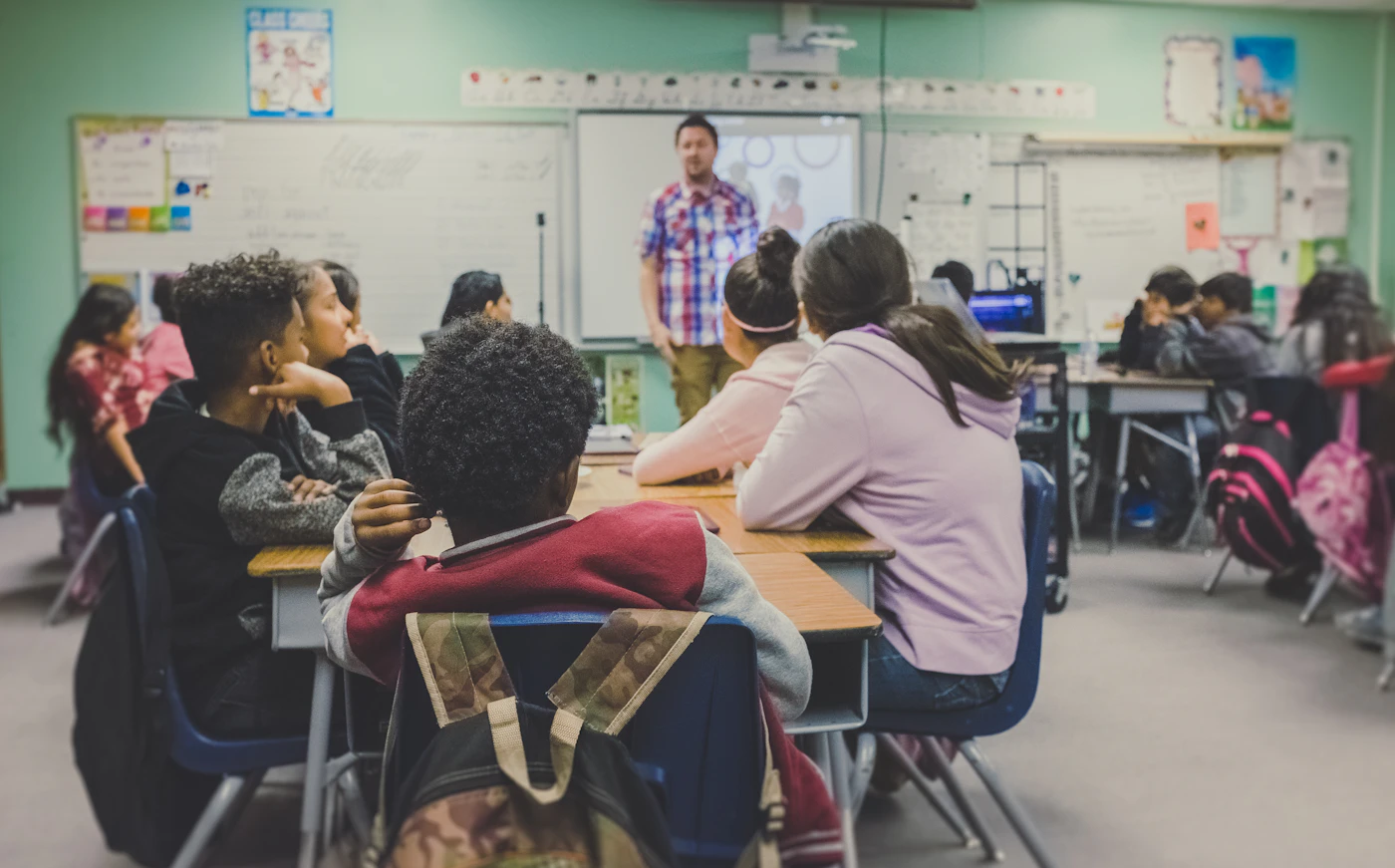
Music also helps children connect with others in meaningful ways.
Group singing, rhythm exercises, and collaborative games teach listening, teamwork, patience, and cooperation.
Many educators explain that students who participate in music activities tend to build friendships more easily because they are constantly interacting with classmates in a positive environment.
For children who struggle socially, these shared experiences can become an important confidence-building tool.
Parents Are Seeing the Difference

Across North Texas, parents are reporting noticeable changes in their children after joining music-based learning programs.
Some say their children have become more outgoing at home, while others notice improvements in focus, discipline, and emotional expression.
Many families also appreciate how music creates joyful learning experiences instead of traditional high-pressure environments.
For younger learners, enjoying the process is often the key to long-term growth and confidence.
The Long-Term Impact of Music Education

Research continues to show that music education can positively impact memory, coordination, communication, and emotional intelligence.
But for many educators in North Texas, one benefit stands above the rest: confidence.
Helping children believe in themselves at an early age can influence every part of their future — from academics to friendships and personal growth.
As more schools and programs embrace creative learning methods, music is proving to be one of the most powerful tools for helping young learners thrive.
More Education Stories
- Why Creative Activities Help Children Learn Faster
- The Hidden Benefits of Music Classes for Kids
- How Art Programs Improve Student Communication
- The Growing Importance of Emotional Learning in Schools
- Why Parents Are Prioritizing Creative Education